List Of Industries For Dropdown: Choosing The Perfect Category For Your Business
 Info Pulse Nation
3 min read
Info Pulse Nation
3 min read
Why is Choosing the Right Industry Category Important?
When creating a website or an application that requires users to select an industry category, it is essential to provide a comprehensive and relevant list. The industry category helps users navigate through the options and find the specific field that best represents their business. By choosing the right industry category, businesses can effectively target their audience and improve their online presence.
Understanding the Role of a Dropdown List
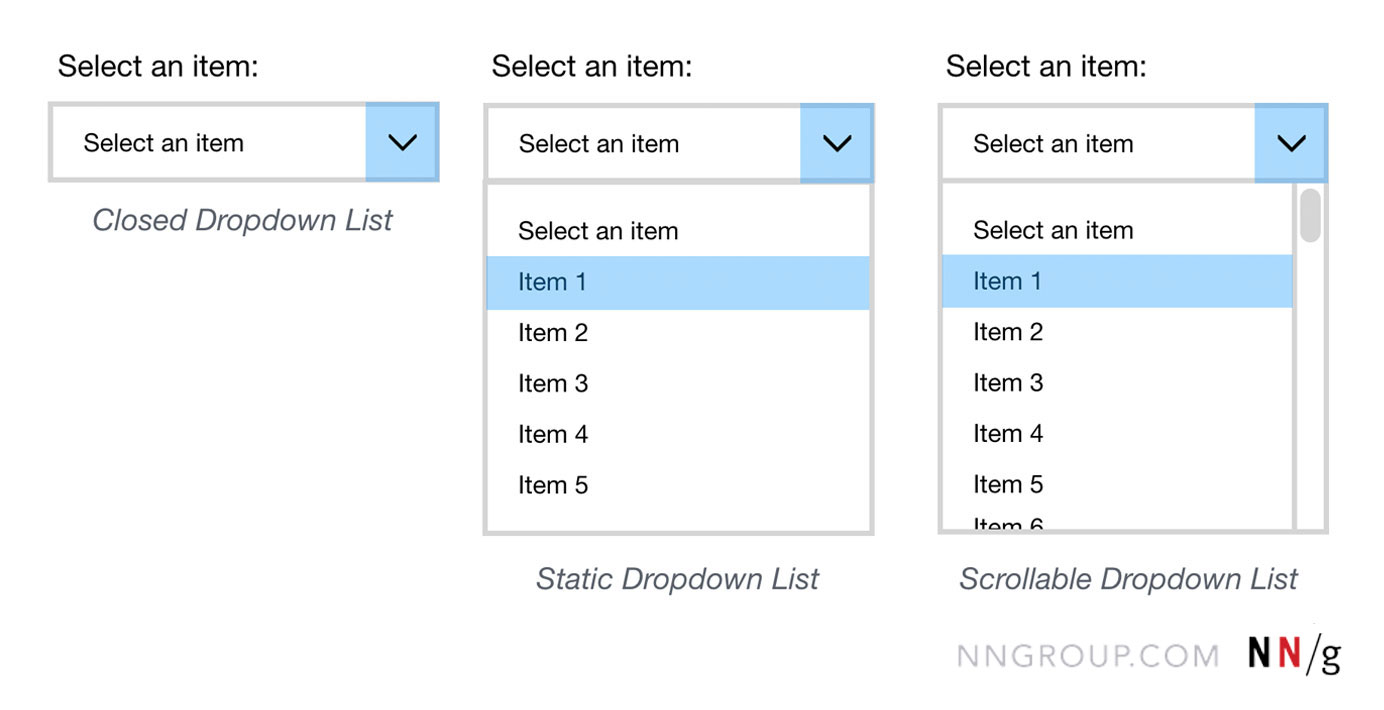
A dropdown list is a user interface element that allows users to select one option from a list of predefined choices. It is commonly used in forms, surveys, and registration processes to gather specific information. In the case of industry categories, a dropdown list provides a convenient way for users to choose the most suitable option that accurately represents their business.
The Top Industries for Your Dropdown List
1. Technology: This category encompasses software development, IT services, hardware manufacturing, and other technology-related businesses. It is one of the fastest-growing industries globally, making it a popular choice for many businesses.
2. Healthcare: With the increasing demand for healthcare services, this industry category includes hospitals, clinics, pharmaceutical companies, medical equipment manufacturers, and more. It caters to businesses that provide medical products and services.
3. Finance: This industry category covers financial institutions, banks, insurance companies, investment firms, and accounting services. Businesses related to banking, finance, and wealth management fall under this category.
4. Retail: Retail encompasses businesses involved in selling consumer products directly to customers. It includes both brick-and-mortar stores and online retailers, offering a wide range of products from clothing to electronics.
5. Education: This category includes schools, colleges, universities, e-learning platforms, tutoring services, and educational software providers. It caters to businesses that focus on imparting knowledge and skills.
6. Manufacturing: Manufacturing involves the production of goods using raw materials, tools, and machinery. This industry category includes businesses engaged in the production of automobiles, electronics, textiles, and various other products.
7. Hospitality: This category caters to businesses providing accommodation, food, and entertainment services. It includes hotels, restaurants, bars, travel agencies, and event management companies.
8. Real Estate: Real estate encompasses businesses involved in buying, selling, and renting properties. This industry category includes real estate agencies, property developers, construction companies, and property management services.
9. Marketing: Marketing includes businesses that provide advertising, branding, digital marketing, public relations, and market research services. It caters to businesses that focus on promoting products and services.
10. Transportation: This category covers businesses involved in transporting goods and people. It includes logistics companies, airlines, shipping companies, taxi services, and public transportation providers.
Adding Custom Industry Categories
In addition to the predefined industry categories, it is important to provide an option for users to add custom industry categories. This allows businesses with unique or niche industries to accurately represent themselves in the dropdown list.
Conclusion
Choosing the right industry category for your dropdown list is crucial for effective targeting and user experience. By offering a comprehensive list of relevant industries and allowing users to add custom categories, you can ensure that businesses from various fields can accurately represent themselves and connect with their target audience.